

Der Klimawandel ist nicht nur ein Umweltproblem, sondern eine Herausforderung, die alle Aspekte des modernen Lebens betrifft, auch die Modebranche. Die Auswirkungen des globalen Temperaturanstiegs, sich verändernde Wettermuster und die zunehmende Verknappung natürlicher Ressourcen verändern die Art und Weise, wie Mode produziert, konsumiert und konzeptioniert wird. Von nachhaltigen Materialien bis hin zu Änderungen in den Lieferketten – die Auswirkungen des Klimawandels drängen die Modebranche in eine verantwortungsvollere, anpassungsfähigere Zukunft. Hier ein Blick darauf, wie sich der Klimawandel auf die Branche auswirkt und wie sich die Mode als Reaktion darauf weiterentwickelt.
Rising Awareness of Environmental Impact
Fashion has long been criticized for its environmental footprint. The industry is one of the largest contributors to pollution, producing significant greenhouse gas emissions, textile waste, and water pollution. The traditional fast fashion model, characterized by mass production and disposable clothing, has exacerbated these environmental concerns.
As climate change becomes more pressing, awareness of fashion’s role in environmental degradation has increased. Consumers are more informed about the impact their purchases have on the planet, and many are shifting away from fast fashion in favor of more sustainable alternatives. Brands are responding to this demand by adopting greener practices, using eco-friendly materials, and committing to reducing their carbon footprints.
Umstellung auf nachhaltige Materialien
One of the most direct impacts of climate change on fashion is the shift toward sustainable and renewable materials. Traditional fabrics like cotton, which require large amounts of water and pesticides to grow, are being reexamined as climate change affects the availability of natural resources. Brands are increasingly turning to alternative materials that are less harmful to the environment.
Some popular sustainable materials include:
- Organic Cotton: Grown without synthetic pesticides, organic cotton uses less water than conventional cotton and has a lower carbon footprint.
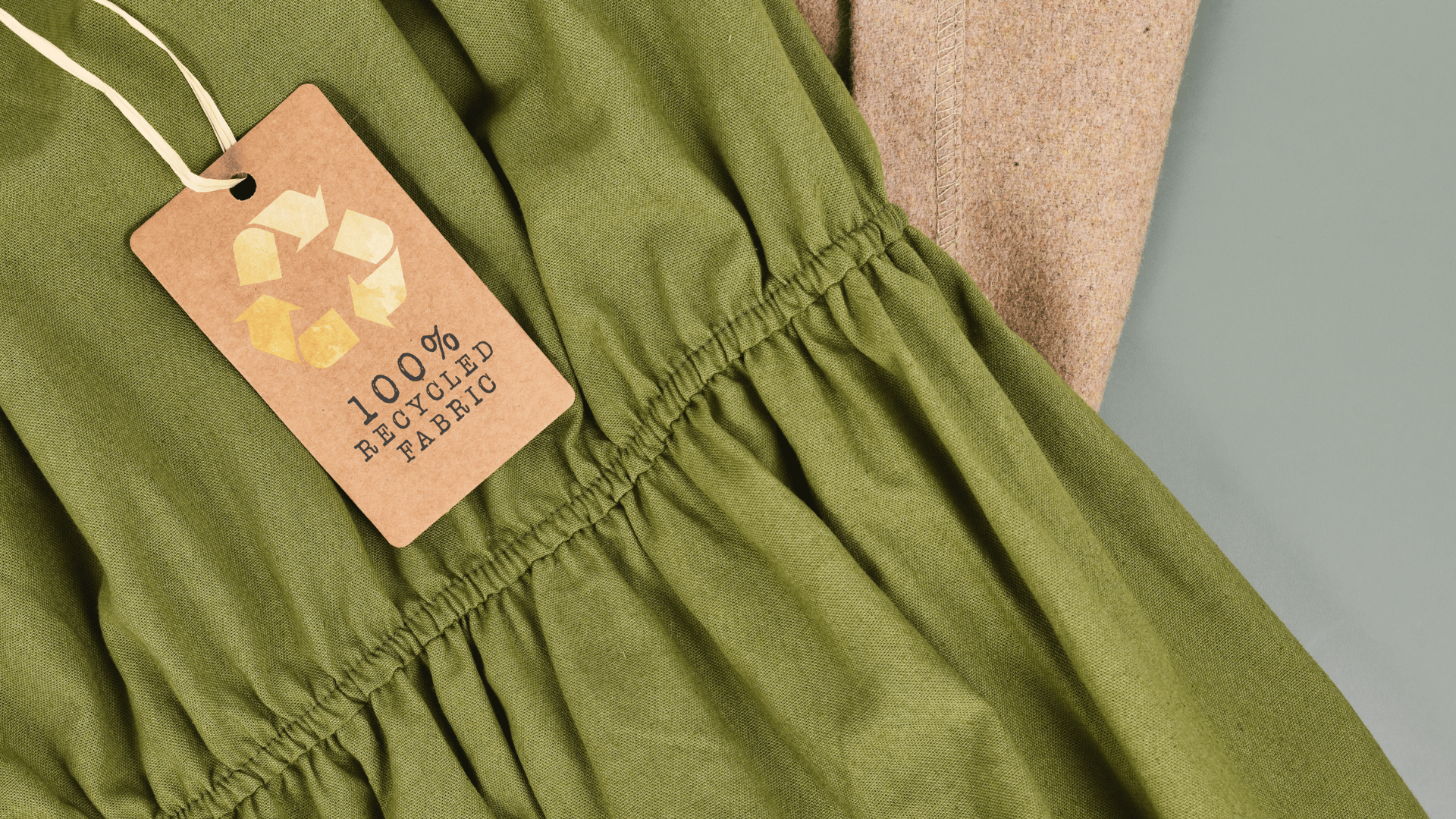
- Recycled Fabrics: Materials like recycled polyester, made from plastic bottles, and recycled cotton help reduce waste and lower demand for new resources.
- Tencel and Lyocell: These fibers are made from sustainably harvested wood pulp and are biodegradable.
- Hemp: Hemp grows quickly with little water and no pesticides, making it one of the most sustainable crops for fabric production.
Incorporating these materials is a step toward reducing the environmental impact of clothing production, and more fashion houses are embracing sustainable fabrics to meet the demands of eco-conscious consumers.
Adapting Supply Chains and Manufacturing
Climate change has also forced the fashion industry to rethink its global supply chains. The traditional linear fashion supply chain, with its heavy reliance on fossil fuels for transportation and energy, is no longer sustainable. Extreme weather events, such as floods, droughts, and hurricanes, have disrupted manufacturing in key regions and led to shortages in raw materials. These disruptions are prompting brands to localize production and reduce their dependency on vulnerable supply chains.
Brands are adopting practices like on-demand production, which minimizes waste by only producing garments when they are ordered, and nearshoring, which moves manufacturing closer to the point of sale, reducing transportation emissions and supply chain vulnerabilities. Circular fashion models, such as clothing rental services, resale platforms, and recycling initiatives, are also gaining traction as brands seek to minimize waste and create a more sustainable lifecycle for garments.
Innovations in Fashion Technology
Climate change has also spurred technological innovations in the fashion industry. One major area of focus is waterless dyeing technology, which uses far less water than traditional methods, addressing the water scarcity issues exacerbated by climate change. Other technologies, such as 3D printing and zero-waste design, help reduce excess material waste by allowing designers to create garments with precision, using only the exact amount of material needed.
Additionally, biofabrication—the process of growing materials in a lab, such as lab-grown leather or silk—is gaining momentum. These materials do not require animals or large amounts of resources to produce and can have a significantly lower environmental impact than their traditional counterparts. As these technologies advance, they are expected to become more accessible and play a critical role in the industry’s adaptation to climate change.
The Rise of Slow Fashion
In contrast to fast fashion’s rapid production and turnover, the rise of slow fashion encourages mindful consumption and promotes quality over quantity. Slow fashion focuses on producing fewer, but higher-quality garments that are made to last, reducing the environmental impact of constant clothing production.
This movement also emphasizes transparency in the supply chain, advocating for ethical labor practices and the use of sustainable materials. Consumers are increasingly drawn to brands that prioritize craftsmanship, durability, and sustainability over disposable trends. As climate change intensifies, the slow fashion movement will likely continue to grow, with more consumers embracing long-lasting clothing that reduces their carbon footprint.
Changing Consumer Behavior
Consumer attitudes toward fashion are shifting as the realities of climate change become more apparent. A growing number of shoppers are making purchasing decisions based on a brand’s environmental credentials. According to a 2021 report by McKinsey, two-thirds of consumers consider sustainability when making a purchase, and this trend has only accelerated in recent years.
Consumers are increasingly supporting brands that prioritize transparency, use eco-friendly materials, and have ethical production practices. Additionally, the demand for second-hand clothing, rental services, and clothing repair has surged as people seek to minimize waste and extend the life cycle of their garments. This change in behavior signals a broader cultural shift toward more responsible consumption, with fashion playing a central role.
Fashion’s Role in Climate Activism
Fashion brands, influencers, and designers are becoming more involved in climate activism. From using their platforms to raise awareness about environmental issues to supporting environmental causes, the fashion industry is playing a growing role in advocating for climate action.
High-profile designers like Stella McCartney have long championed sustainable fashion, while brands like Patagonia have built their identities around environmental activism. More recently, fashion influencers have taken up the mantle, using their social media platforms to promote sustainable brands and call for greater responsibility within the industry. As the urgency of climate change intensifies, we can expect fashion to continue to be a powerful voice in the climate movement.
…
Climate change is fundamentally reshaping the fashion industry, pushing it toward more sustainable, innovative, and responsible practices. From the shift to eco-friendly materials and local supply chains to the rise of slow fashion and consumer-driven demand for transparency, the industry is adapting to the realities of a changing planet. As fashion continues to evolve, it will play a crucial role not only in reflecting cultural shifts but also in driving positive environmental change.
The future of fashion depends on how well the industry can embrace sustainability and innovation. By focusing on reducing its environmental impact, fashion has the potential to be part of the solution to the global climate crisis while still delivering creativity, style, and expression.