

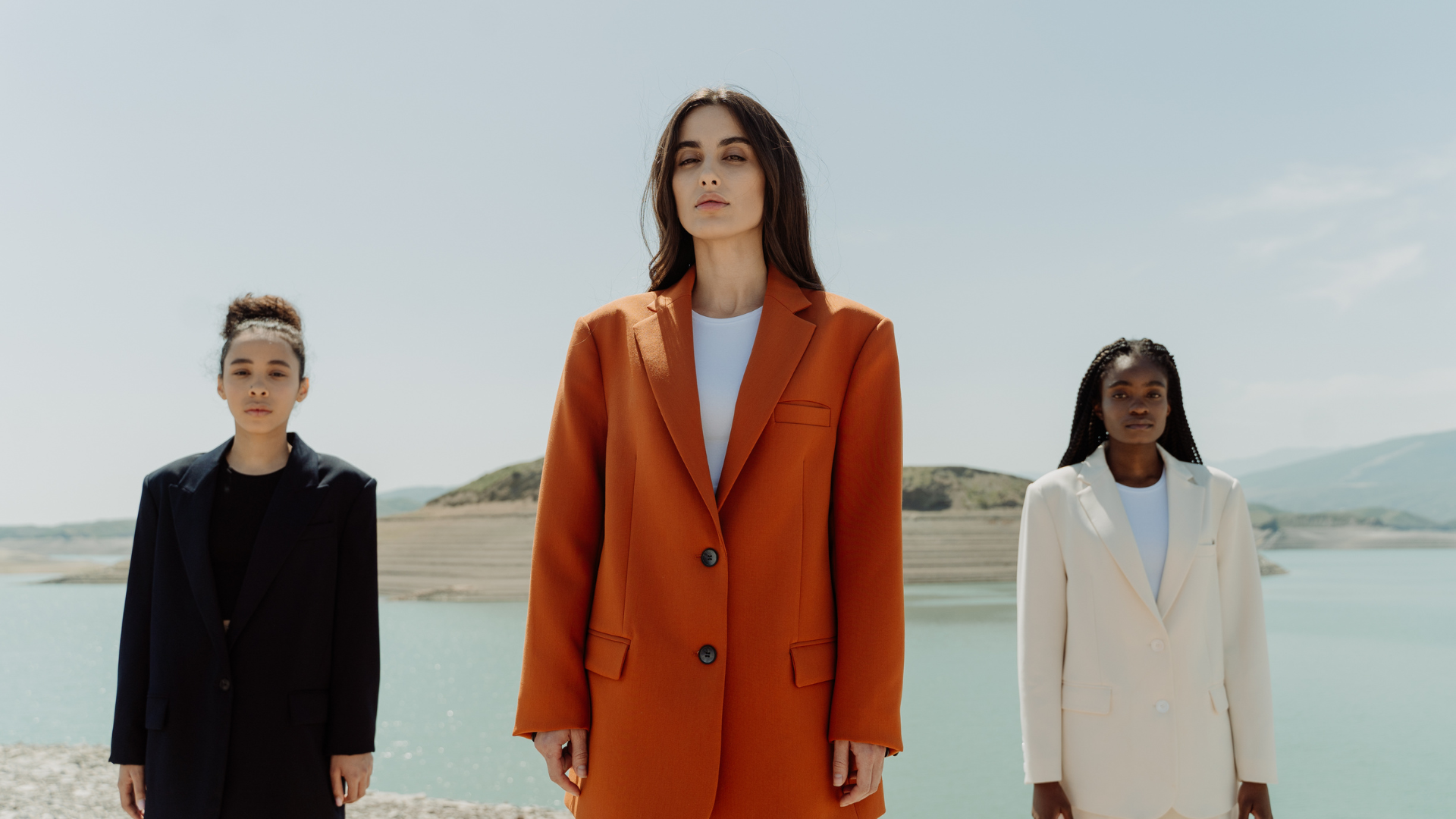
Die Mode im Jahr 2024 war ein Jahr der Neuerfindung, in dem die Grenzen zwischen Stil, Technologie und sozialem Bewusstsein verschwommen sind. Die Art und Weise, wie wir uns kleiden, spiegelt die sich wandelnden Werte der Verbraucher wider, vom Fokus auf Nachhaltigkeit bis hin zur Umarmung der digitalen Mode und dem Ausdruck einer fließenden Identität. Mit Blick auf das Jahr 2025 ist zu erwarten, dass sich diese Trends noch verstärken und der Modeindustrie neue Impulse geben werden. Hier ein Blick darauf, was die Mode im Jahr 2024 geprägt hat und was wir für 2025 erwarten können.
Sustainability Becomes Mainstream
2024 marked the year when sustainability went from being a niche movement to an industry-wide expectation. Consumers are more aware than ever of the fashion industry’s environmental impact, and brands have responded by making eco-conscious choices a standard part of their collections.
From high-end fashion houses to fast fashion retailers, the focus has shifted to more responsible production. Brands are using recycled materials, organic cotton, and plant-based alternatives to leather, while reducing water and chemical use in their manufacturing processes. In addition, many brands have adopted circular fashion models, encouraging customers to recycle, repair, or resell items instead of buying new ones.
Second-hand shopping and clothing rentals are on the rise, with platforms like ThredUp, Vestiaire Collective, and Rent the Runway gaining massive popularity. Consumers, particularly younger generations, are prioritizing sustainable choices and turning to vintage and secondhand items as fashionable alternatives to mass-produced clothing.
The Rise of Digital and Virtual Fashion
2024 saw the emergence of digital fashion as a significant trend, with virtual clothes and digital wardrobes entering the mainstream. Powered by advancements in technology, such as augmented reality (AR), virtual reality (VR), and the metaverse, digital fashion allows consumers to express themselves in online environments without the need for physical garments.
Brands like Gucci, Balenciaga, and Nike have ventured into the world of digital fashion by creating exclusive virtual collections that consumers can wear on gaming platforms or social media spaces. Digital fashion opens up new possibilities for creativity and sustainability since it doesn’t rely on physical resources or produce waste. It also taps into the growing demand for fashion in the virtual worlds of the metaverse, where personal avatars require just as much styling as real-world wardrobes.
As we move into 2025, the digital fashion space is expected to expand further, with more brands launching virtual clothing collections and AR try-on experiences becoming more refined and accessible.
Quiet Luxury and Minimalism
While bold statements and maximalism have always had their place in fashion, 2024 saw the resurgence of minimalism and “quiet luxury.” This trend focuses on timeless, high-quality pieces that emphasize craftsmanship over flashy logos or excessive ornamentation.
Quiet luxury is about investing in well-made clothing that can last for years, rather than following fleeting trends. Brands like The Row, Loro Piana, and Bottega Veneta have championed this aesthetic, which aligns with a broader shift towards mindful consumption. Consumers are increasingly seeking out pieces that are versatile, durable, and free from seasonal fads, preferring to cultivate a capsule wardrobe of staple items.
This trend is expected to grow in 2025, as people continue to prioritize quality over quantity. As consumers become more discerning, they will seek out clothing that reflects understated sophistication and thoughtful design.
Tech-Infused Fashion
2024 also saw a growing intersection between fashion and technology, with wearable tech gaining traction not just for its functionality but also for its style. Smart clothing that monitors health, tracks fitness, or adapts to environmental conditions is becoming more common, with collaborations between fashion designers and tech companies driving innovation.
Brands like Ralph Lauren, Levi’s, and Google have already introduced tech-enhanced garments, from jackets that can control your phone to fabrics that respond to body temperature. In 2025, we can expect to see even more fashion-tech hybrids, with an emphasis on both aesthetics and practical applications. Smart fabrics, 3D-printed garments, and customizable clothing that adapts to individual needs will likely shape the future of fashion.
What to Expect in 2025
Looking ahead to 2025, many of the trends that defined 2024 are expected to evolve and intensify. Sustainability will remain a core focus, but innovation in materials and production methods will likely take it to the next level. We can expect to see more biodegradable fabrics, waterless dyeing techniques, and zero-waste designs becoming standard across the industry.
Digital fashion will continue to grow, especially with the increasing prominence of virtual reality and the metaverse. The lines between our digital and physical wardrobes will blur, with fashion playing a key role in shaping how we present ourselves online.
Inclusivity and diversity will remain central themes, with fashion brands pushing the boundaries of what is considered conventional beauty or style. Gender-neutral collections will become even more common, and body positivity will continue to influence fashion design and marketing strategies.
Finally, fashion will become even more tech-forward. In 2025, we can expect further integration of wearable technology, not just as functional gadgets but as stylish, everyday garments. Personalization will also play a significant role, with consumers able to customize clothing for a perfect fit or select designs tailored to their preferences using AI and data-driven insights.
Overall, 2025 promises to be an exciting year for fashion, building on the foundations laid in 2024 while embracing new possibilities. As the industry continues to innovate, one thing is clear: fashion will remain a powerful expression of personal identity and cultural change.